Aseptic Cold Filling Technology: Preserving Freshness and Quality Without Heat

1. Principle of Aseptic Cold Filling
Aseptic cold filling is based on the principle of filling a sterilized product into a pre-sterilized container in a controlled environment to prevent microbial contamination. The key components of the process include:
-
Product Sterilization: The product (juice, milk, etc.) is sterilized using methods such as microfiltration, ultraviolet (UV) light, or chemical treatments. The sterilization process kills harmful microorganisms without the use of heat, ensuring the product retains its natural flavor and nutrients.
-
Container Sterilization: The packaging material—whether glass bottles, PET bottles, cartons, or other containers—is sterilized using processes such as hydrogen peroxide spraying or UV sterilization before filling.
-
Aseptic Environment: The filling process occurs in an aseptic environment, typically inside a clean room with HEPA (High-Efficiency Particulate Air) filtration systems that maintain air purity and prevent contamination.
2. Process Flow of Aseptic Cold Filling
The aseptic cold filling process involves several key steps:
-
Sterilization of Product:
The beverage is sterilized through non-thermal methods such as microfiltration or ultraviolet light. This ensures that microorganisms are removed or inactivated without affecting the product's taste, color, or nutritional value. -
Sterilization of Containers:
Containers and caps are sterilized, often using hydrogen peroxide vapor or UV light, ensuring they are free from contaminants before the filling process begins. -
Filling:
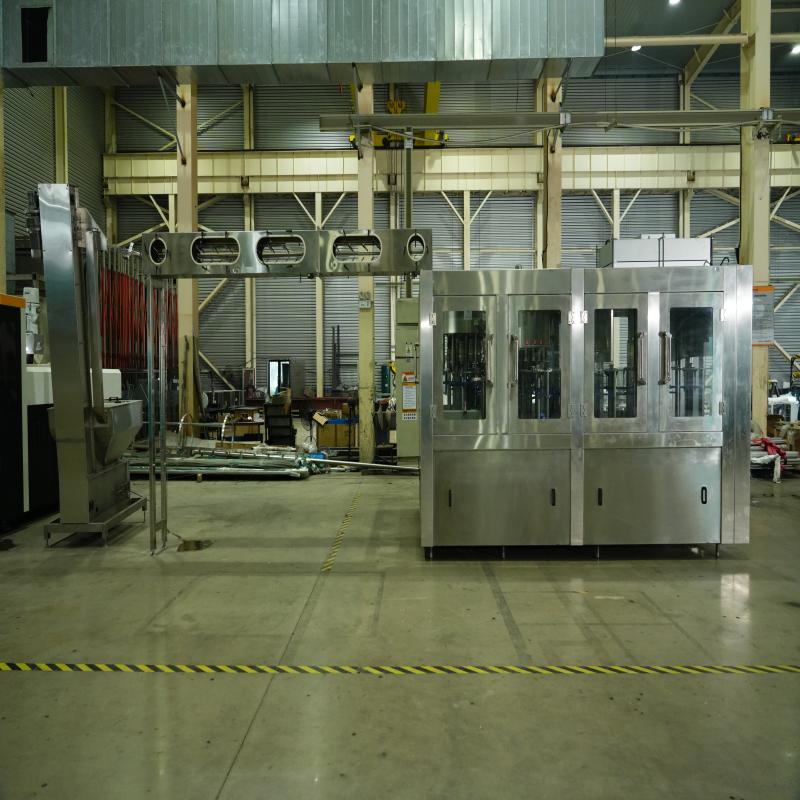
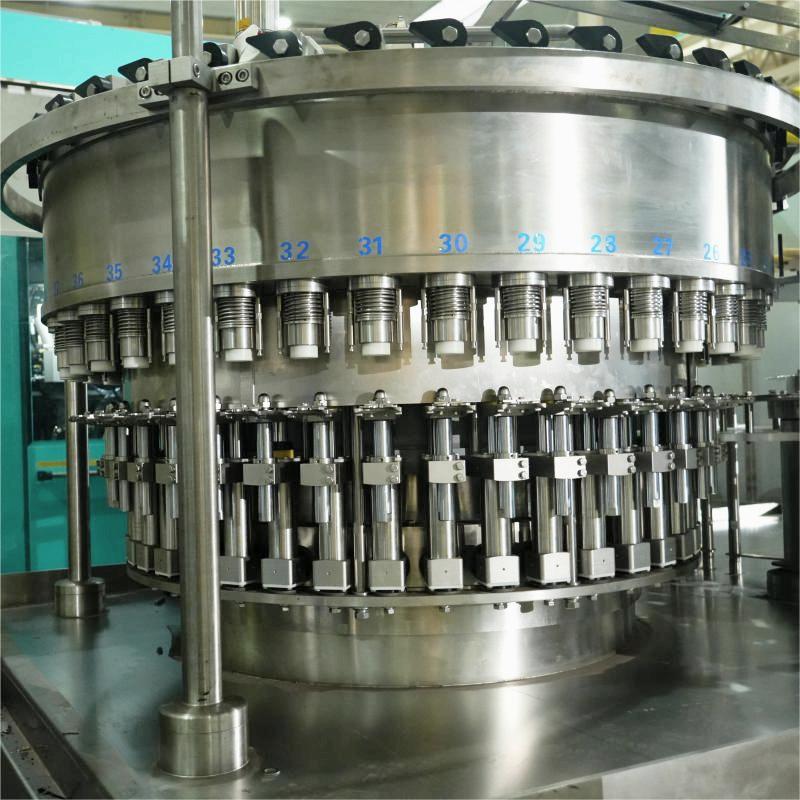
The sterilized product is filled into the sterilized container in a controlled, aseptic environment. This step is typically carried out using specialized filling machines that ensure precision and prevent contamination. -
Sealing:
After filling, the containers are immediately sealed with sterile caps to ensure that no microorganisms can enter and spoil the product. -
Post-Filling Inspection:
The filled and sealed containers undergo quality checks, including inspection for leaks, proper sealing, and visual defects.
3. Benefits of Aseptic Cold Filling Technology
Aseptic cold filling offers several advantages over traditional thermal processes:
-
Preservation of Nutritional Value: Because the product is not exposed to high temperatures, sensitive nutrients (such as vitamins, antioxidants, and enzymes) are preserved, maintaining the nutritional integrity of the beverage.
-
Enhanced Taste and Aroma: The absence of heat treatment preserves the natural flavors and aromas of the product, ensuring a fresher taste for consumers.
-
Extended Shelf Life: Aseptic cold filling extends the shelf life of products without the need for preservatives or artificial additives, as the sterilization process eliminates harmful microorganisms.
-
Energy Efficiency: Since the process does not rely on heat, it can be more energy-efficient compared to hot-filling technologies.
-
Environmentally Friendly: The reduced energy consumption and lower environmental impact make aseptic cold filling a more sustainable choice.
4. Applications of Aseptic Cold Filling
Aseptic cold filling technology is ideal for a wide range of products, including:
- Juices and Fruit Drinks: Fresh and natural juices that retain their color, flavor, and nutrients.
- Dairy Products: Such as milk, yogurt, and other liquid dairy beverages, which require careful temperature control.
- Functional Beverages: Including those with added vitamins, minerals, or probiotics, which are sensitive to heat treatment.
- Plant-Based Beverages: Like almond milk, soy milk, or coconut water, which benefit from aseptic cold filling to preserve their delicate flavors and textures.
5. Challenges and Considerations
While aseptic cold filling has significant advantages, there are some challenges to consider:
-
Sterilization of Packaging: Ensuring that packaging materials are consistently sterilized and free from contamination can be technically challenging.
-
Initial Investment: The technology can require a higher initial investment in equipment and sterilization systems compared to traditional filling processes.
-
Strict Hygiene Requirements: Maintaining an aseptic environment throughout the production process is critical and requires stringent hygiene controls, regular inspections, and preventive maintenance.
6. Future Trends and Developments
As demand for healthier and more natural beverages increases, aseptic cold filling technology is expected to continue evolving. Some of the key trends in the future include:
-
Integration with Automation: Increasing use of automated systems for handling, sterilizing, and filling products, which can reduce labor costs and increase production efficiency.
-
Digital Monitoring and Control: The incorporation of real-time monitoring systems to ensure optimal performance of sterilization, filling, and sealing processes.
-
Sustainability Improvements: More eco-friendly packaging materials and energy-efficient filling systems are likely to become more widespread, further enhancing the environmental benefits of aseptic cold filling.
Conclusion
Aseptic cold filling technology is revolutionizing the beverage industry by offering a method to produce high-quality, safe, and fresh products without the use of heat. It ensures that sensitive beverages maintain their nutritional content, flavor, and shelf life, making it an ideal choice for manufacturers looking to produce premium products in a sustainable and efficient manner. With continued advancements in sterilization methods, automation, and sustainability, aseptic cold filling is poised to play a key role in the future of beverage production.
DEMARK Carbonated Beverage Filling Solutions: Precision, Efficiency, and Quality in Every Bottle
DEMARK Oil Line Solutions: Innovation and Efficient Industrial Assurance
Related Article