
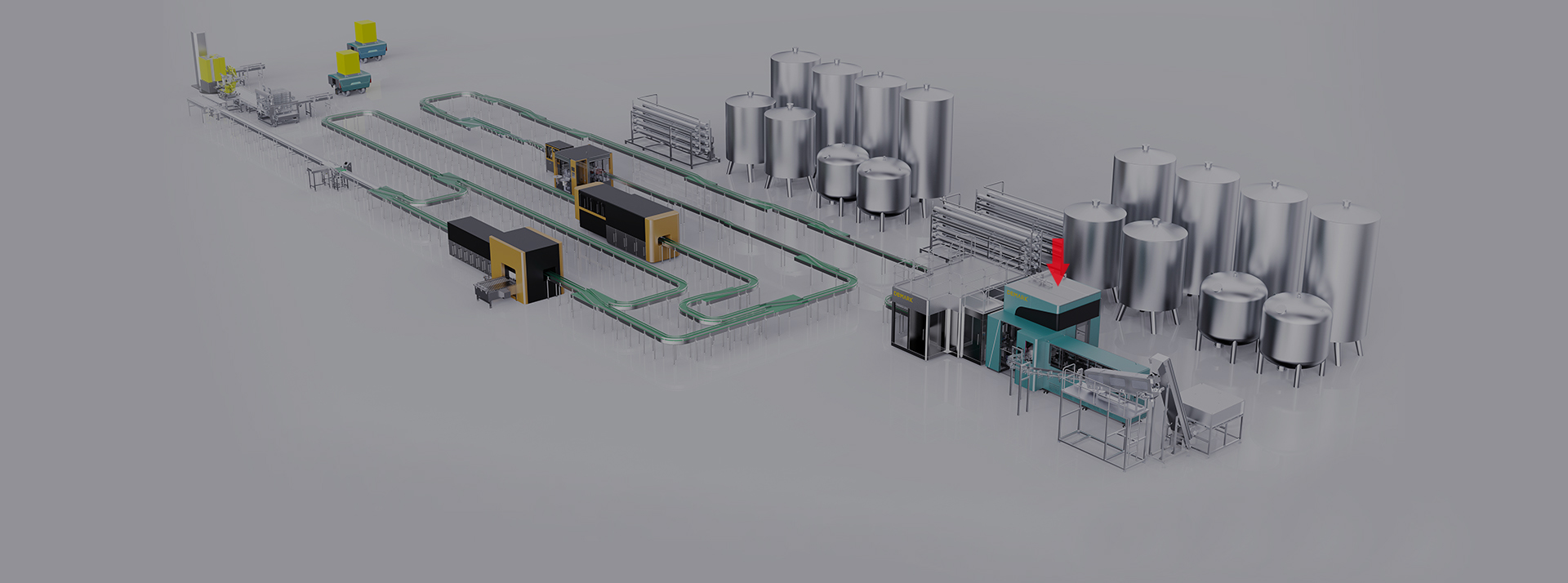
The process of blowing a bottle of an inflated beverage
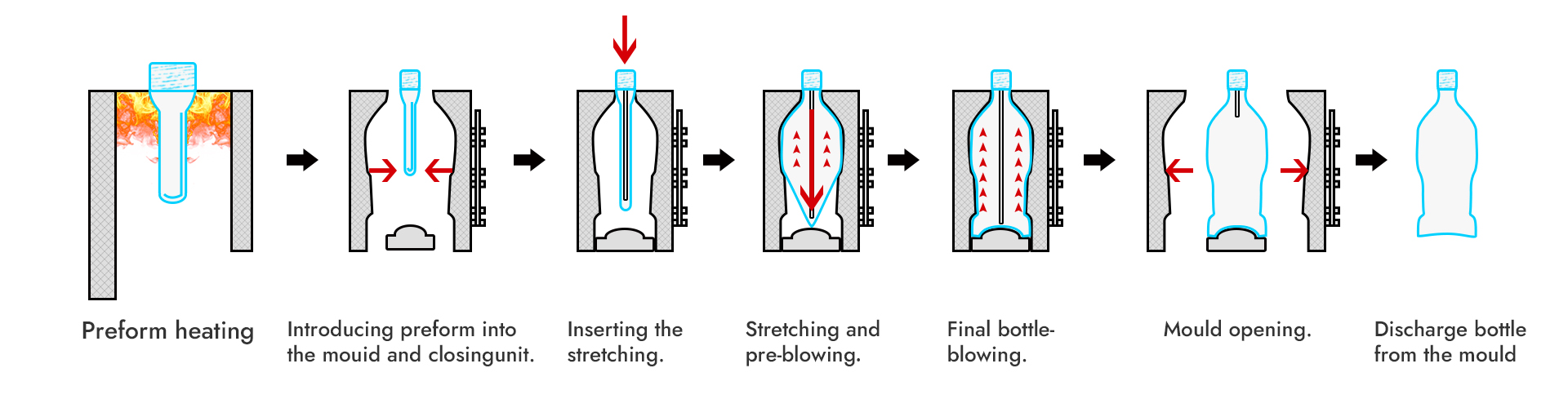
● Preform Sorting:The prefabricated parts are fed into the bottle blowing machine. This is usually done through an automated system that places the prefabricated parts in the correct position within the machine.
●Preform Feeding:Preforms are fed into the blow molding machine. This is typically done through an automated system that places the preforms in the correct position within the machine.
●Preform Heating:The preform is heated by an infrared lamp thermal element. This heating process makes the plastic soft and malleable in preparation for the blowing process.
●Bottle Blowing:The heated preforms are then placed into molds where compressed air is used to blow the preform into the shape of the mold, forming the bottle. This step ensures that the bottle has the desired shape and structural integrity.
●Bottle Ejection:After the bottle is formed and cooled, it is removed from the mold. The newly formed bottles are then transferred to the next stage of the production line, usually for inspection and filling.
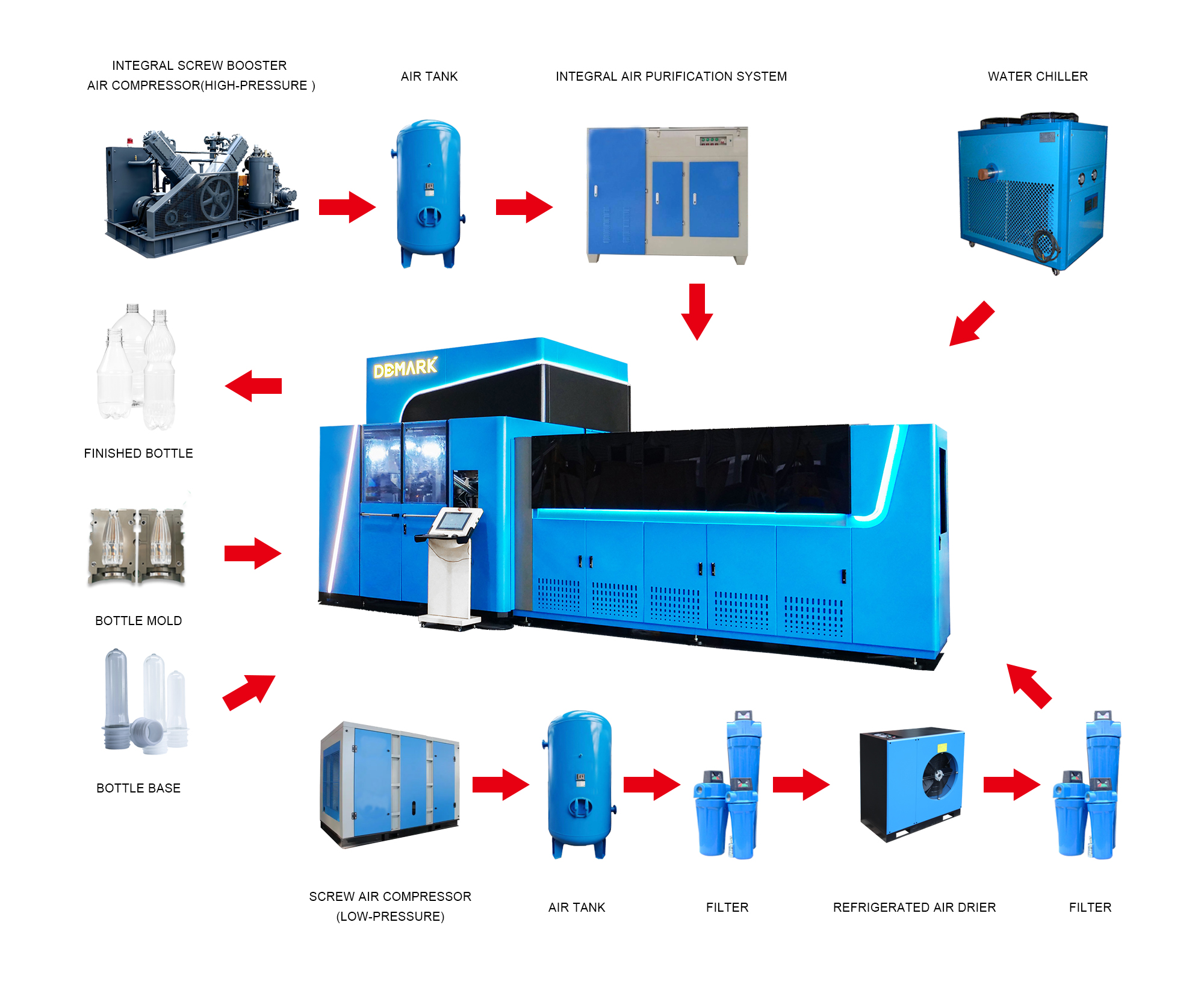
Why use equipment to produce
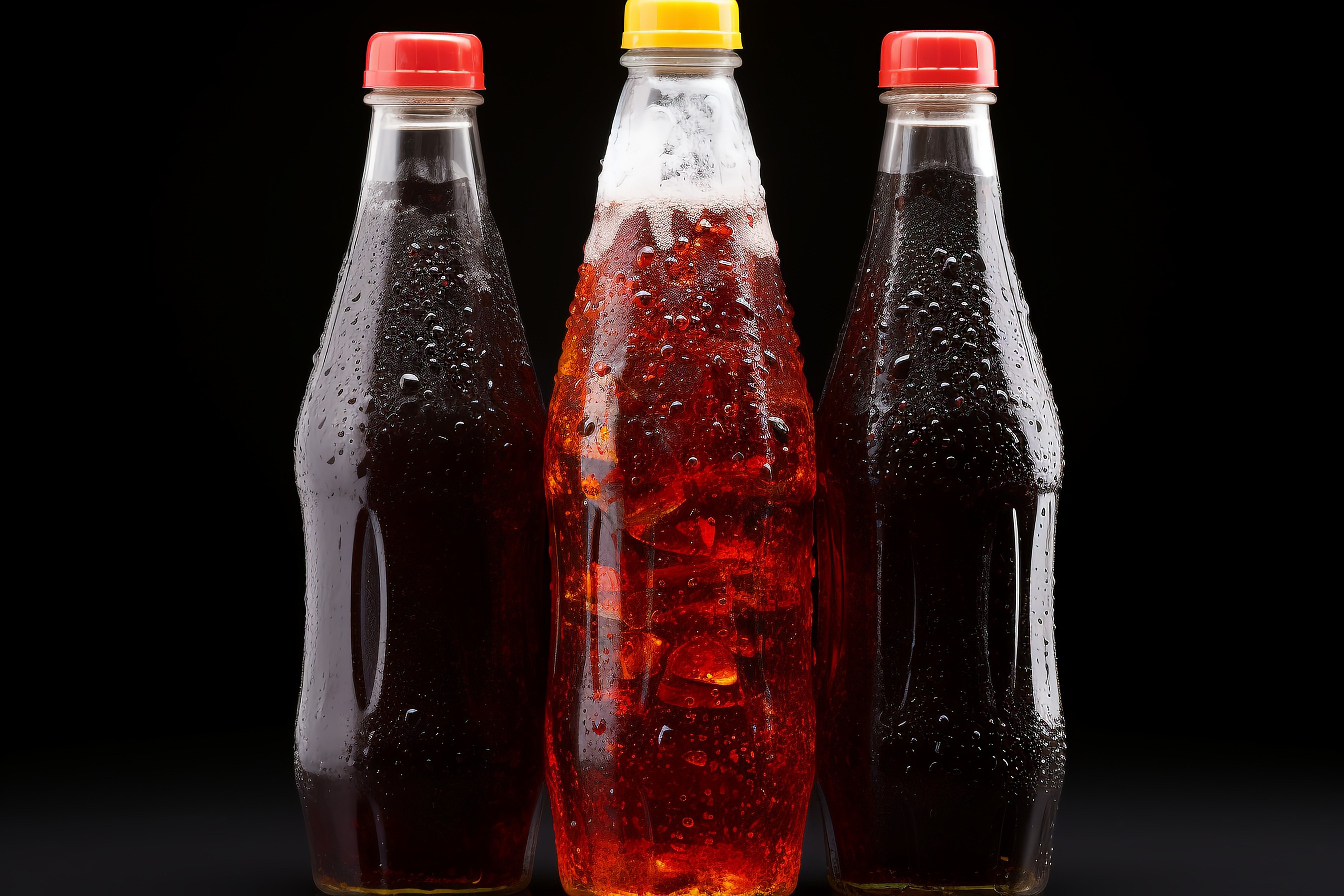
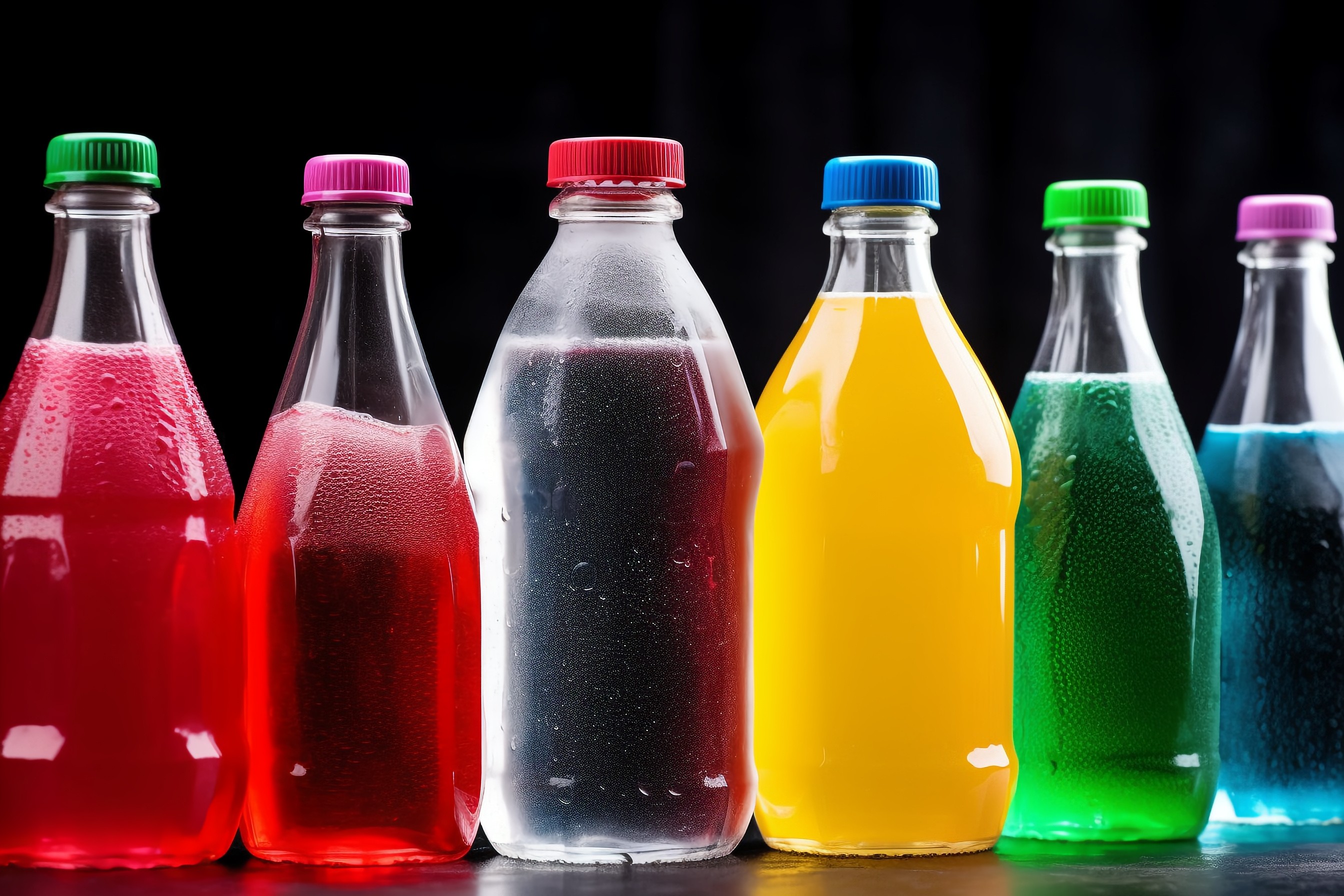
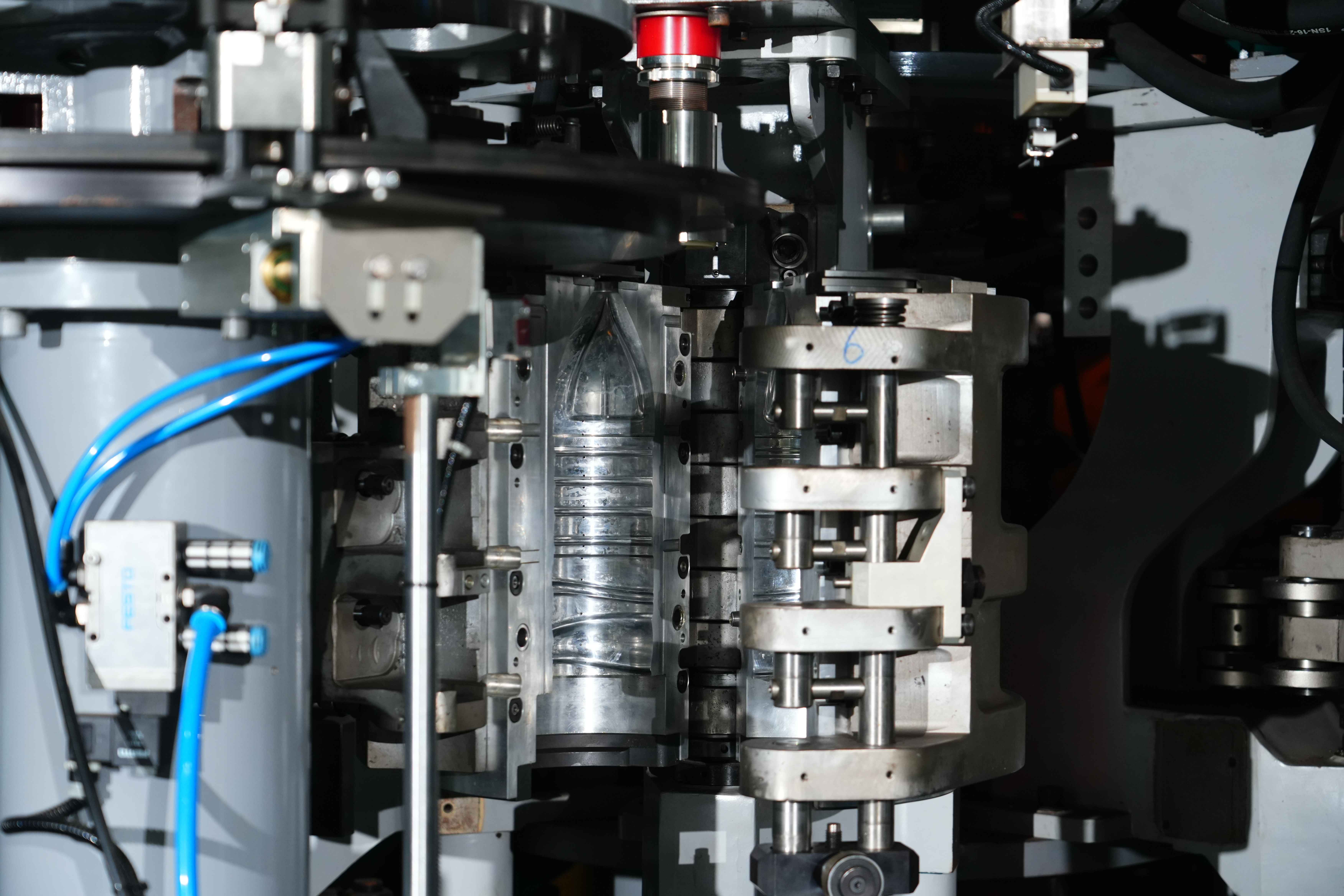
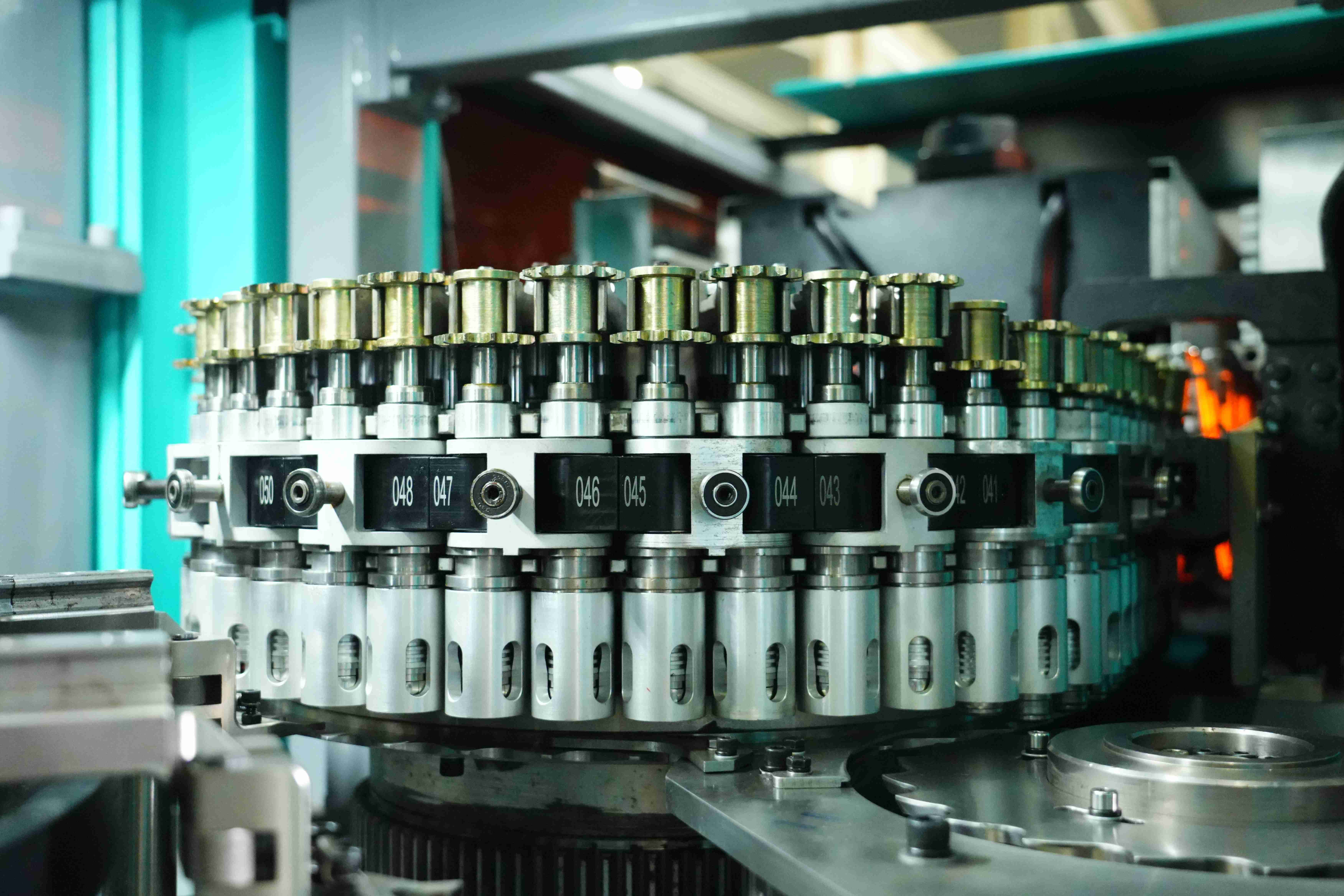
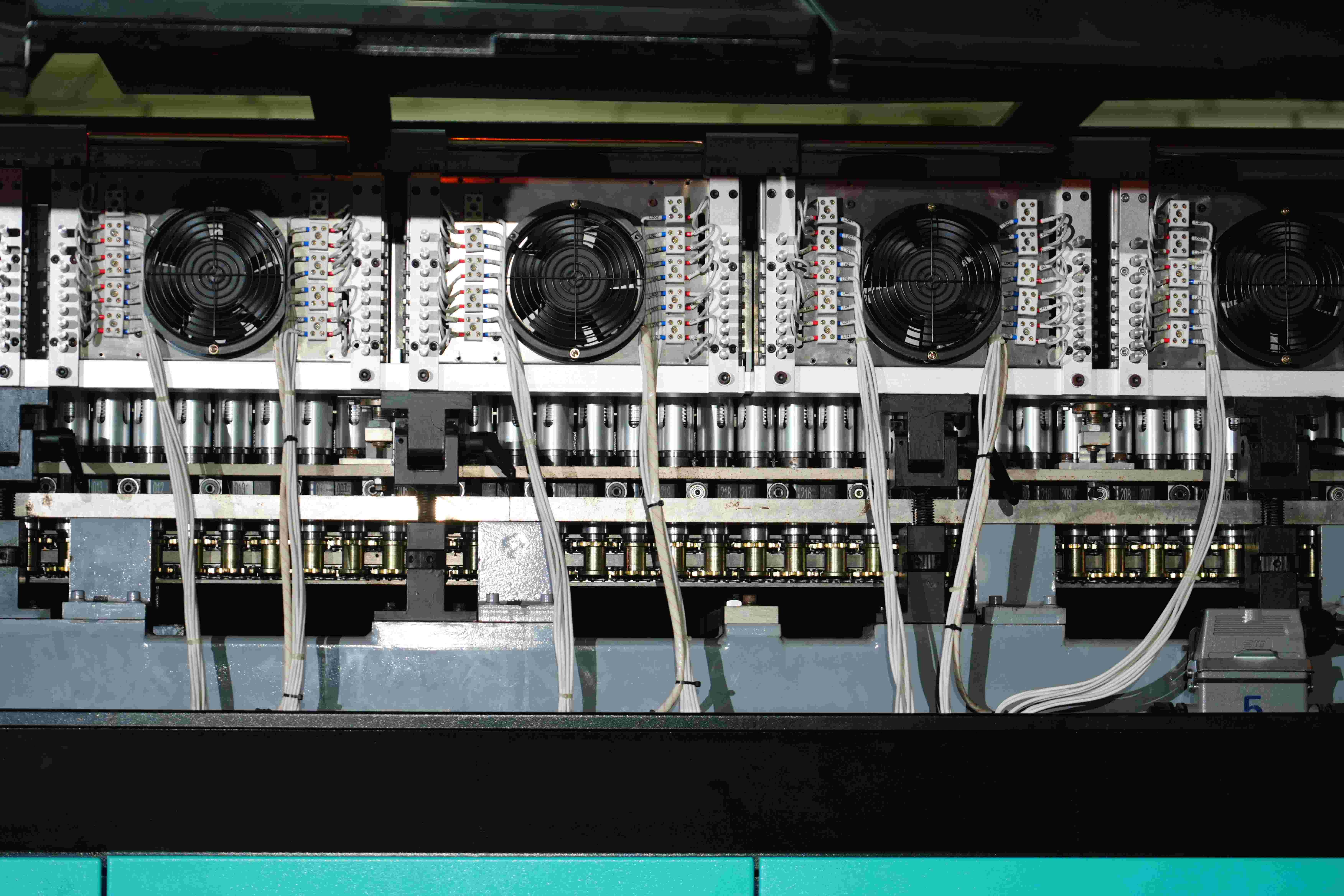
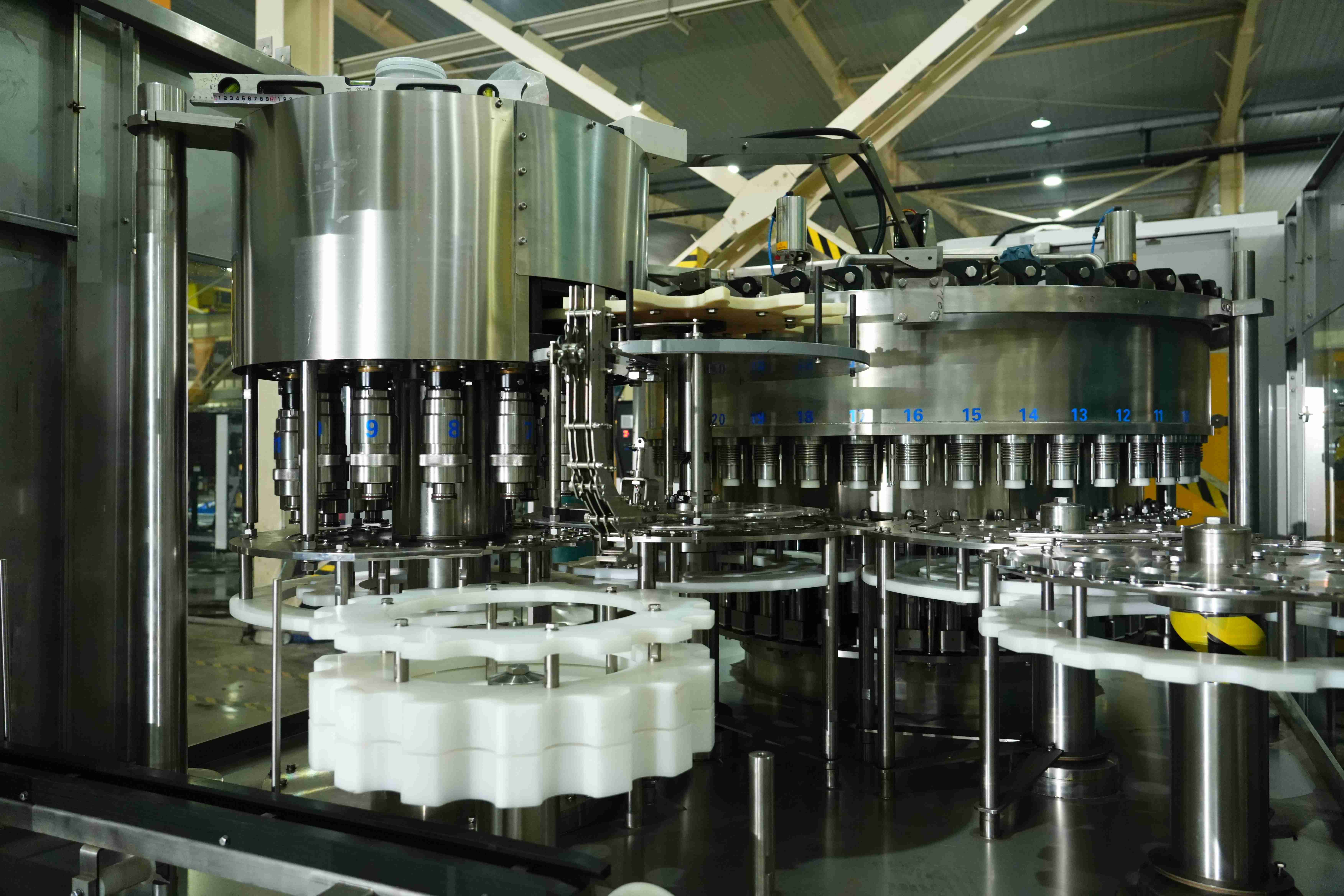
Carbonated beverages, a key segment of the beverage industry, are epitomized by soft drinks. With evolving consumer demands, this category has become increasingly popular among the youth, attracting numerous companies and sparking the launch of many new products.
DEMARK's carbonated beverage solutions optimize filling temperatures to reduce energy consumption, minimize foaming, and ensure precise liquid levels. These solutions are perfectly suited for the production of seltzer and carbonated mixed drinks, ensuring a clean and sanitary production process. They enable efficient filling and integrated labeling and conveying processes, enhancing overall efficiency.
No matter what type of carbonated drink you produce, DEMARK can provide the ideal technology to achieve your goals. We invite you to explore how our PET beverage packaging solutions can help you efficiently produce carbonated drinks.
Our recommended products
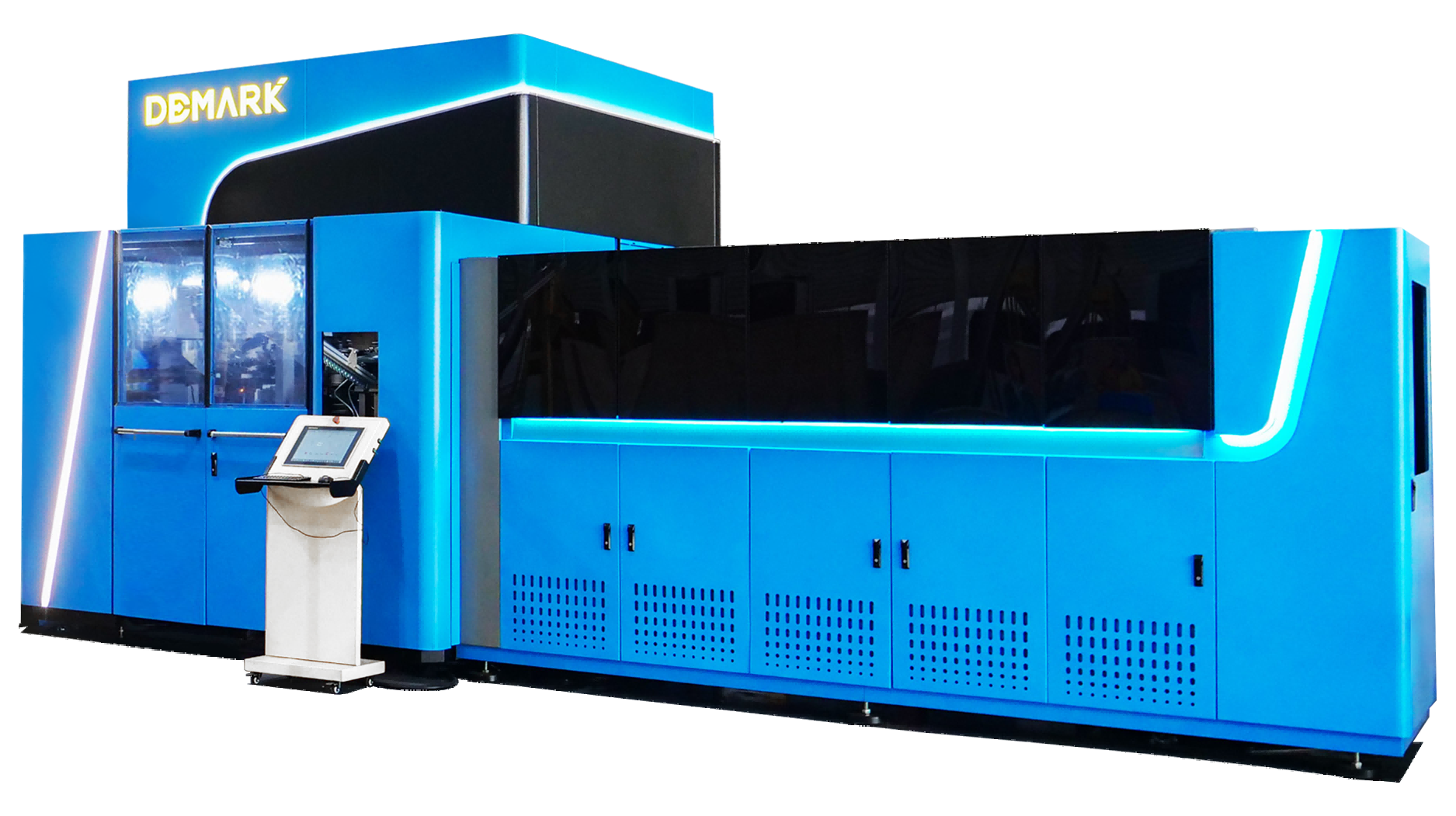
Fully automatic rotary
PET bottle blowing machine
Improved production efficiency : Fully automatic bottle blowing machines can produce a large number of beverage bottles continuously in a short period, significantly enhancing production efficiency compared to manual or semi-automatic operation.
Reduced labor costs : Automated production processes reduce reliance on labor, lowering labor costs and labor requirements.
Enhanced product quality : Automation reduces human errors and variables, ensuring consistency and stability in product quality.
Reduced scrap rate : Automation allows for more precise control of the production process, reducing scrap rates caused by human error and improving resource utilization.
Flexibility and adaptability : Fully automatic bottle blowing machines often have high flexibility and adjustability, allowing for the production of beverage bottles of different specifications, shapes, and sizes as needed.
Space-saving : Automated equipment typically occupies less space compared to manual or semi-automatic machines, saving floor space in production facilities.
Improved safety : Automation reduces risks and hazards associated with manual operation, enhancing safety in the production process.
Time-saving : Automated production processes are fast and efficient, saving significant production time and enabling quicker response to market demands.
Increased competitiveness : Automation reduces costs, improves efficiency and quality, making companies more competitive in the market, conducive to long-term development and sustained growth.

Extend Your Machine's Lifespan
Ensure prolonged equipment durability with our cutting-edge technology

Unveiling the Ultimate Cost-Efficiency
Experience unparalleled machine maintenance savings
Superior After-Sales Support
Our expert team ensures top-notch maintenance service for your bottling system.

+008619957219321

sales@demark-filling.com

1188 Fenghua Road, Jingkai District, Jiaxing City, Zhejiang Province