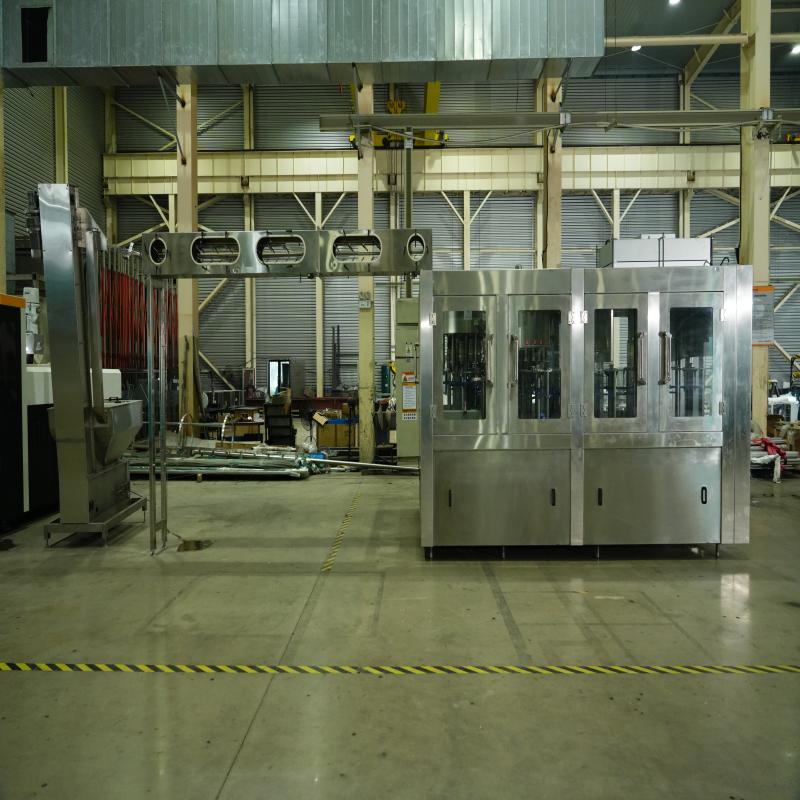
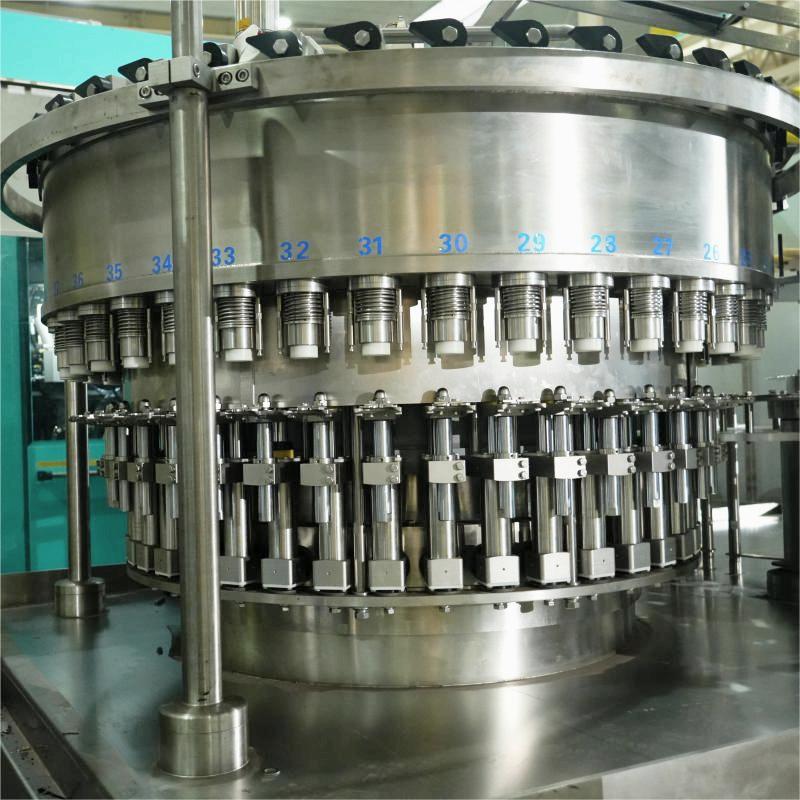
Introduction to Gravity Filling Technology for Edible Oils
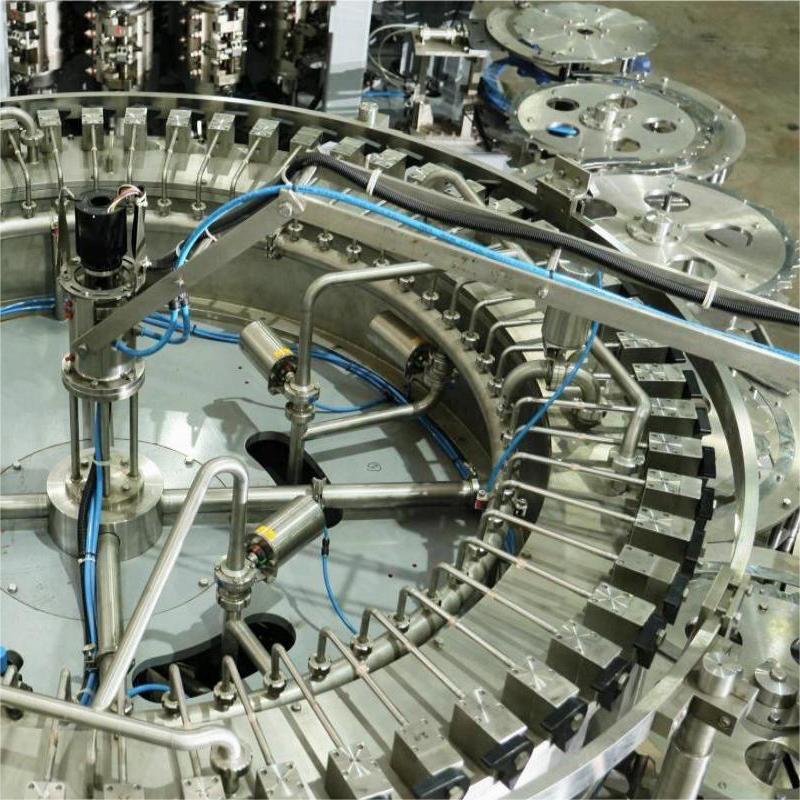
1. Principle of Gravity Filling Technology
Gravity filling technology is a method where the filling process is driven by the liquid's own weight. The principle is simple and effective: when edible oil flows from a storage tank or hopper through a filling nozzle into bottles, the weight of the liquid causes it to flow under gravity. The filling nozzle is typically equipped with precise flow control devices that can be adjusted according to the preset volume and filling speed.
Throughout the filling process, controlling the flow rate and liquid level is crucial. By designing precise liquid level detection systems and gravity-controlled valves, the system ensures that each bottle receives a consistent, accurate amount of oil, avoiding overfilling or underfilling.
2. Main Advantages of Gravity Filling Technology
2.1 Simplicity and High Efficiency
Gravity filling technology is designed with a simple structure, making it easy to operate. Compared to other filling technologies, gravity filling systems do not require complex pumps or high-pressure equipment, reducing maintenance and operational difficulties. Its low energy consumption and absence of mechanical drive systems help control production costs, making it suitable for medium and small-scale edible oil factories.
2.2 High Precision Filling
Gravity filling systems are equipped with precise flow control and liquid level monitoring devices to ensure that each bottle is filled with the correct amount of oil. This is especially beneficial for products like packaged edible oils, where filling accuracy is critical. The system minimizes the risk of overfilling or underfilling, ensuring product quality consistency.
2.3 No Air Bubbles, No Contamination
Edible oil is a sensitive product, and it is essential to avoid exposure to air or contaminants during production. Gravity filling technology, with its precise liquid flow control, effectively prevents the formation of air bubbles and minimizes oxidation, ensuring that the oil remains fresh and uncontaminated.
2.4 Strong Adaptability
Gravity filling technology is highly adaptable and can handle various packaging requirements, such as bottles, drums, and pouches. The system is easy to adjust, allowing it to quickly accommodate different bottle sizes and specifications, thus meeting diverse market demands.
2.5 Low Maintenance Costs
The simplicity of gravity filling systems, with fewer complex mechanical and electronic components, leads to a lower failure rate. As a result, the cost of repairs and maintenance is lower compared to other filling systems (such as compressed air or piston-based filling systems). This makes gravity filling particularly advantageous for medium-sized and small enterprises.
3. Applications of Gravity Filling Technology
Gravity filling technology is widely used in the production of various edible oils, including but not limited to:
-
Soybean oil, peanut oil, corn oil: These common vegetable oils are the primary application for gravity filling technology. Due to their relatively low viscosity, gravity filling is highly efficient and accurate for these products.
-
Olive oil, canola oil: Premium oils like olive oil, which require high-quality packaging, benefit from gravity filling technology because it reduces air exposure and contamination, helping preserve the oil’s purity and extend shelf life.
-
Large Packaging (Drum or Bulk Oil Filling): For large-volume oil packaging, gravity filling systems can be adjusted to accommodate high-efficiency, automated filling, meeting large-scale production needs.
4. Challenges and Development Trends of Gravity Filling Technology
While gravity filling technology has many advantages in the edible oil industry, it faces some challenges as market demands diversify and production scales increase:
4.1 Filling Speed
Although gravity filling is well-suited for medium and small-scale production lines, it may face limitations in filling speed when large-scale production is required. To address this, companies may increase the number of filling nozzles or combine gravity filling with other filling technologies to improve production efficiency.
4.2 Suitability for High-Viscosity Oils
For oils with higher viscosity (such as some specialty oils), gravity filling may not provide ideal filling results. In such cases, improvements in nozzle design or a combination with other filling technologies (such as piston filling) can solve the problem.
4.3 Automation and Intelligence
With the development of technology, automation and intelligence are becoming key trends in production line upgrades. In the future, gravity filling systems will increasingly integrate artificial intelligence, the Internet of Things (IoT), and other technologies to enhance monitoring, data analysis, and remote control capabilities, thus improving production efficiency and product quality.
5. Conclusion
Gravity filling technology, with its simplicity, efficiency, and low energy consumption, has become widely used in the edible oil industry, especially for bulk liquid oil production. As production requirements continue to evolve, gravity filling technology will continue to improve in terms of precision, speed, and automation, integrating with advanced technologies to drive innovation in the edible oil filling process. In the future, with the further adoption of smart and automated systems, gravity filling lines will become even more efficient and accurate, helping businesses maintain consistent product quality while improving production capacity.
Introduction to DEMARK Bottle Blowing Machine
DEMARK Tea Beverage Filling Line Solution: Enhancing Efficiency, Quality, and Sustainability
Related Article